


Picture this: the savory aroma of sizzling tacos flowing through the air, the cheerful jingle of an ice cream truck on a summer day, or the excitement of discovering a new food spot around the corner.
Food trucks, those cool kitchens on wheels, have a special place in our hearts and our stomachs. Let’s take a fun ride back in time to explore how these mobile munchies came to be and why they’re such a tasty part of our lives today.
So, buckle up, and let’s dive into the simple joy of food trucks!
The Birth of the Food Truck
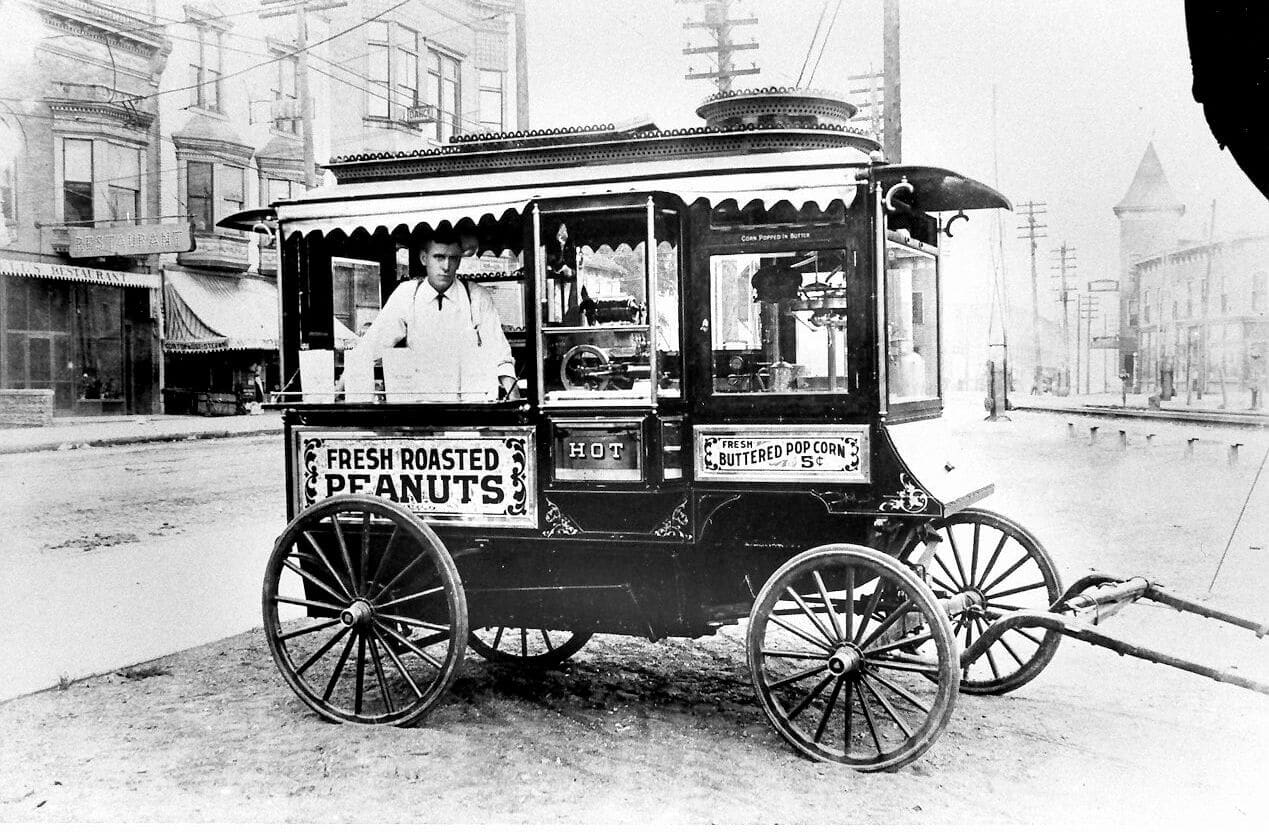
The concept of mobile food vendors can be traced back centuries, but the modern food truck phenomenon began in the 18th century.
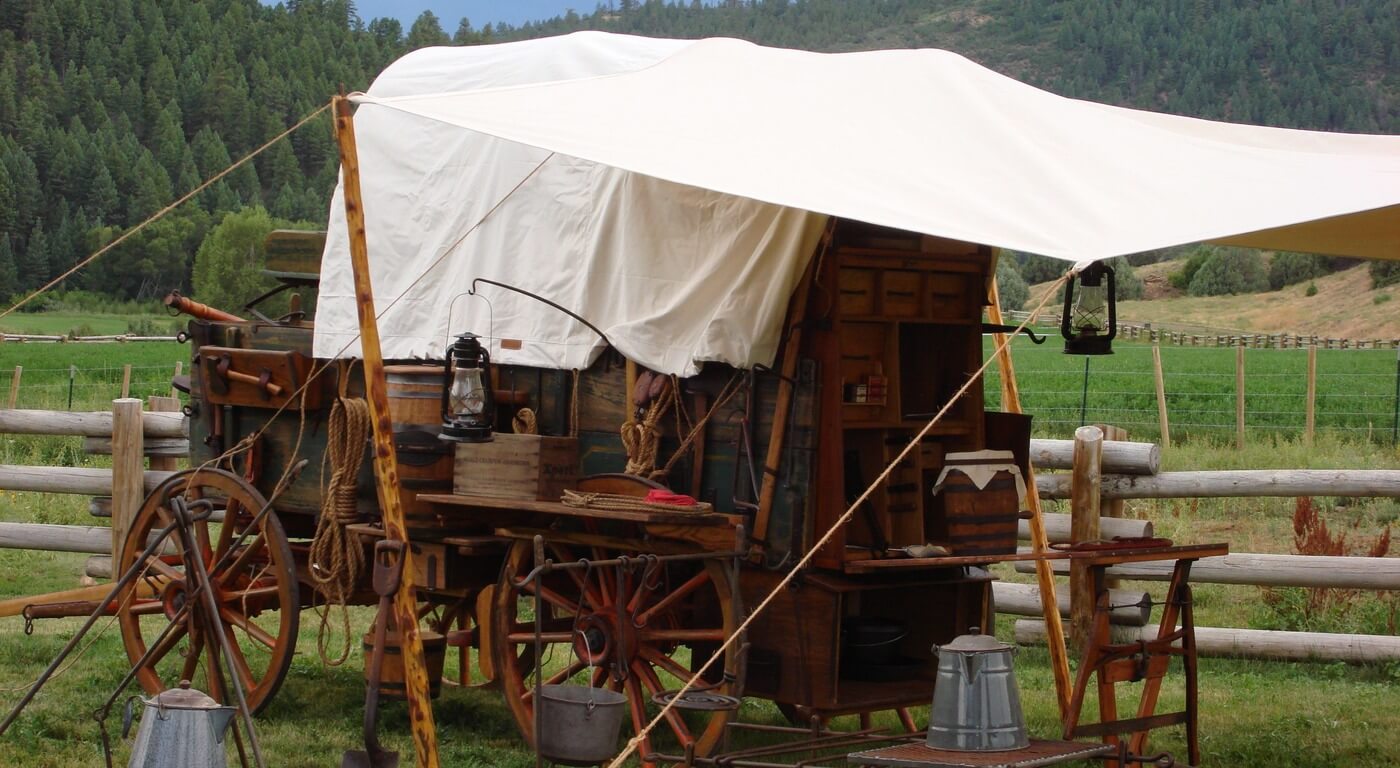
In 1866, Charles Goodnight “The Father of the Texas Panhandle”, invented the original food truck, the Chuck Wagon. The Chuck Wagon served as a mobile kitchen, invented by Goodnight for his first cattle drive, a lengthy journey during which rail transport was not available.
Chuck Wagons, the mobile kitchens used during the American Wild West era, served as a precursor to today’s food trucks. These horse-drawn wagons provided hearty meals to cowboys and settlers as they traveled across vast landscapes.
Ice cream trucks also played a role in shaping the food truck culture. In the 1920s, the first motorized ice cream trucks hit the streets, bringing frozen treats directly to neighborhoods and parks. This marked the beginning of the mobile food movement as we know it.
The Roaring Thirties
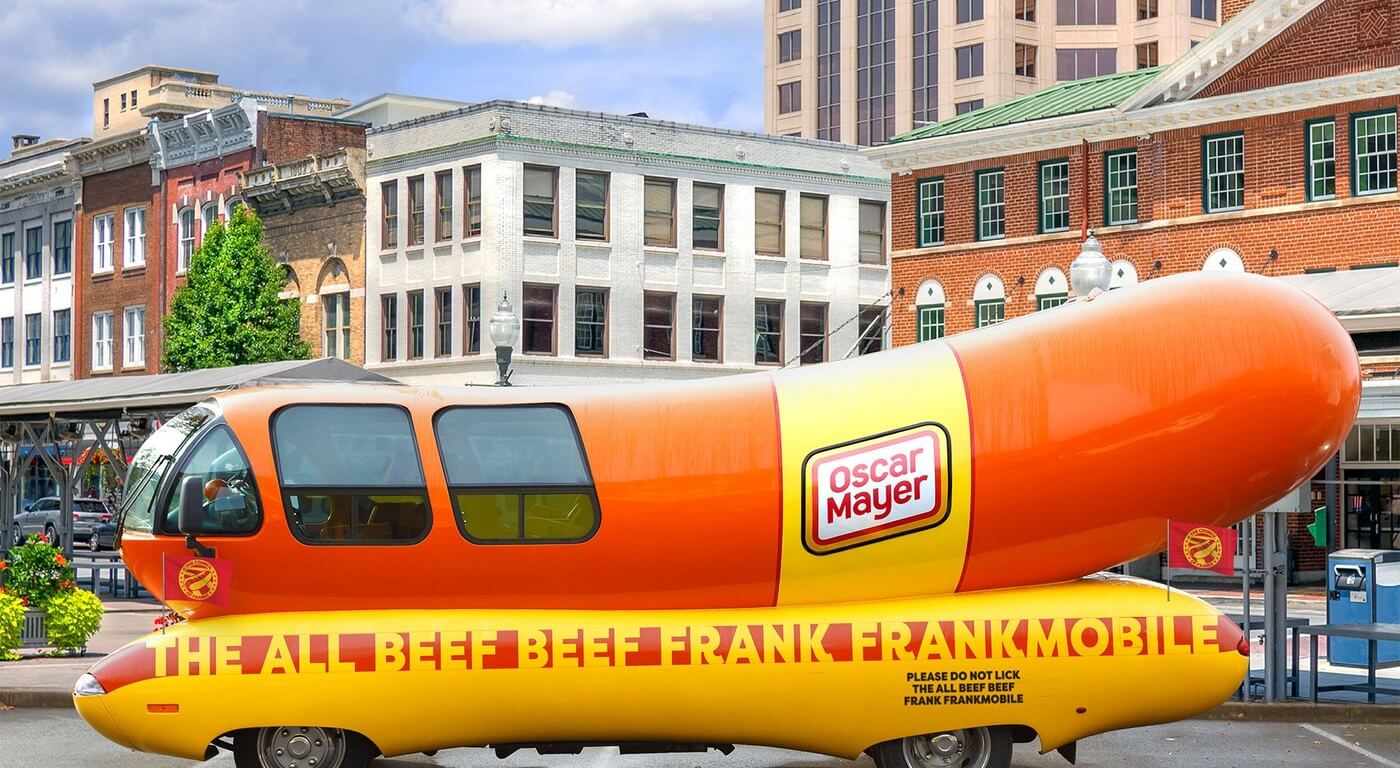
In the 1930s, food trucks started to make a real mark on the culinary scene, cruising through city streets and offering folks a quick and tasty bite. During this time, one iconic mobile eatery emerged – the Oscar Mayer Wiener Mobile.
Introduced in 1936, this wheeled wonder was shaped like a giant hot dog and quickly became a symbol of fun and deliciousness. The Wiener Mobile captured the imaginations of people across the United States, bringing smiles and excitement as it rolled through neighborhoods, sharing the joy of everyone’s favorite sausage.
It was a playful addition to the growing food truck movement, showing that mobile eats could be both delicious and downright entertaining.
Post-World War II
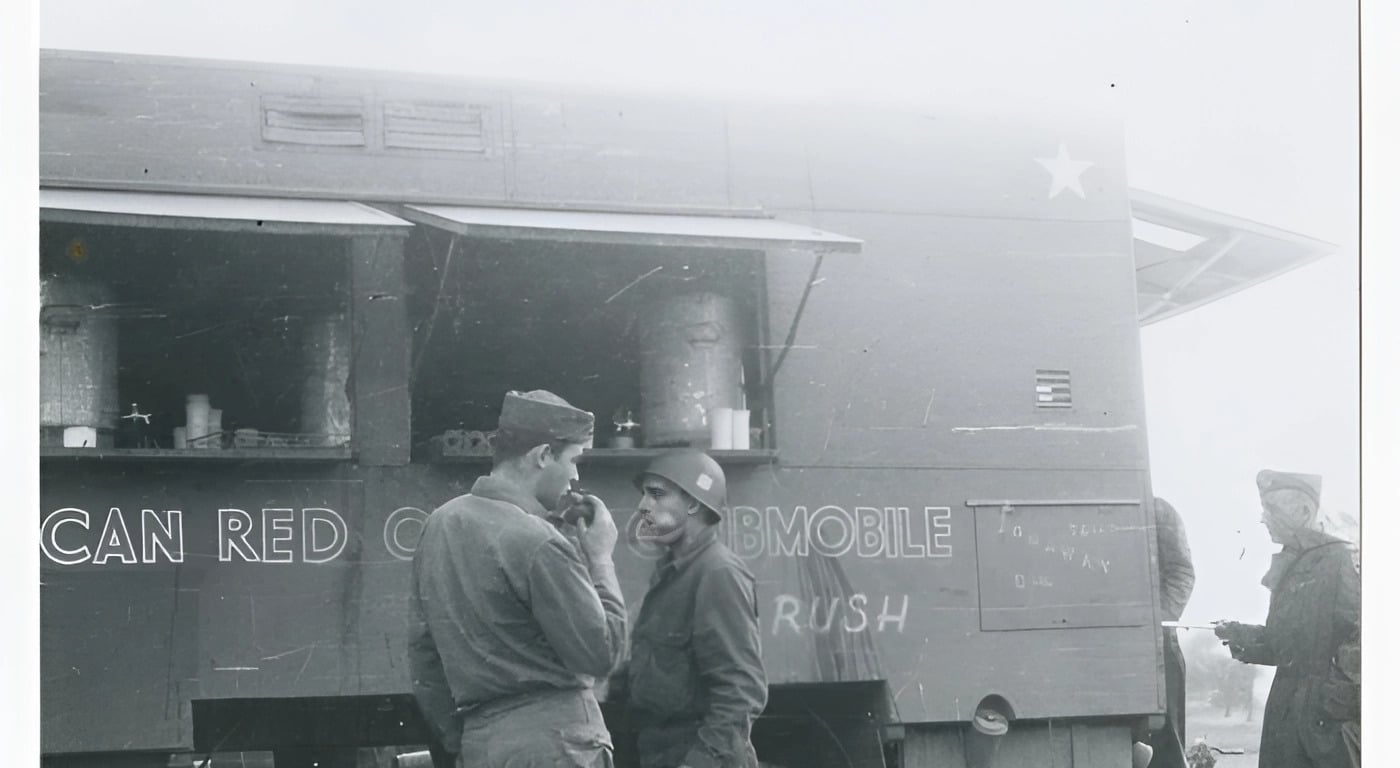
In the post-World War II era, food trucks took on a vital role, catering to the changing needs of a dynamic society. With the surplus of military vehicles, resourceful entrepreneurs transformed them into lunch trucks and canteen trucks, bringing affordable and convenient meals directly to workplaces.
These mobile kitchens played a crucial part in providing food to industrial workers and office employees during a period of rapid economic and industrial growth.
The mobility and adaptability of food trucks became synonymous with the fast-paced lifestyle of the time, embodying the spirit of resilience that characterized the post-war era.
The Renaissance of Food Trucks
The 2008 economic recession played a surprising role in the revival of food trucks. As traditional brick-and-mortar restaurants struggled, chefs and culinary enthusiasts turned to more affordable and flexible options, leading to a boom in gourmet food trucks.
These mobile kitchens began serving a diverse range of cuisines, from tacos and burgers to fusion and ethnic dishes.
Learn more: Food Trucks vs. Restaurants: The Pros and Cons of Each Culinary Adventure

Social Media and Technology
The rise of social media platforms, particularly Twitter, played a pivotal role in the success of modern food trucks. With the ability to update followers on their locations and daily specials in real-time, food trucks gained a devoted and enthusiastic customer base.
Food truck festivals and events also became popular, providing a platform for these mobile chefs to showcase their culinary creations.
Learn more: How to Use Social Media and Apps to Find Customers
Regulations and Challenges
Despite their popularity, food trucks have faced regulatory challenges in many cities. Zoning restrictions, health code compliance, and competition with traditional restaurants have been ongoing issues for the mobile food industry.
However, passionate food truck owners and advocates continue to push for fair regulations and opportunities for these culinary entrepreneurs.
Conclusion
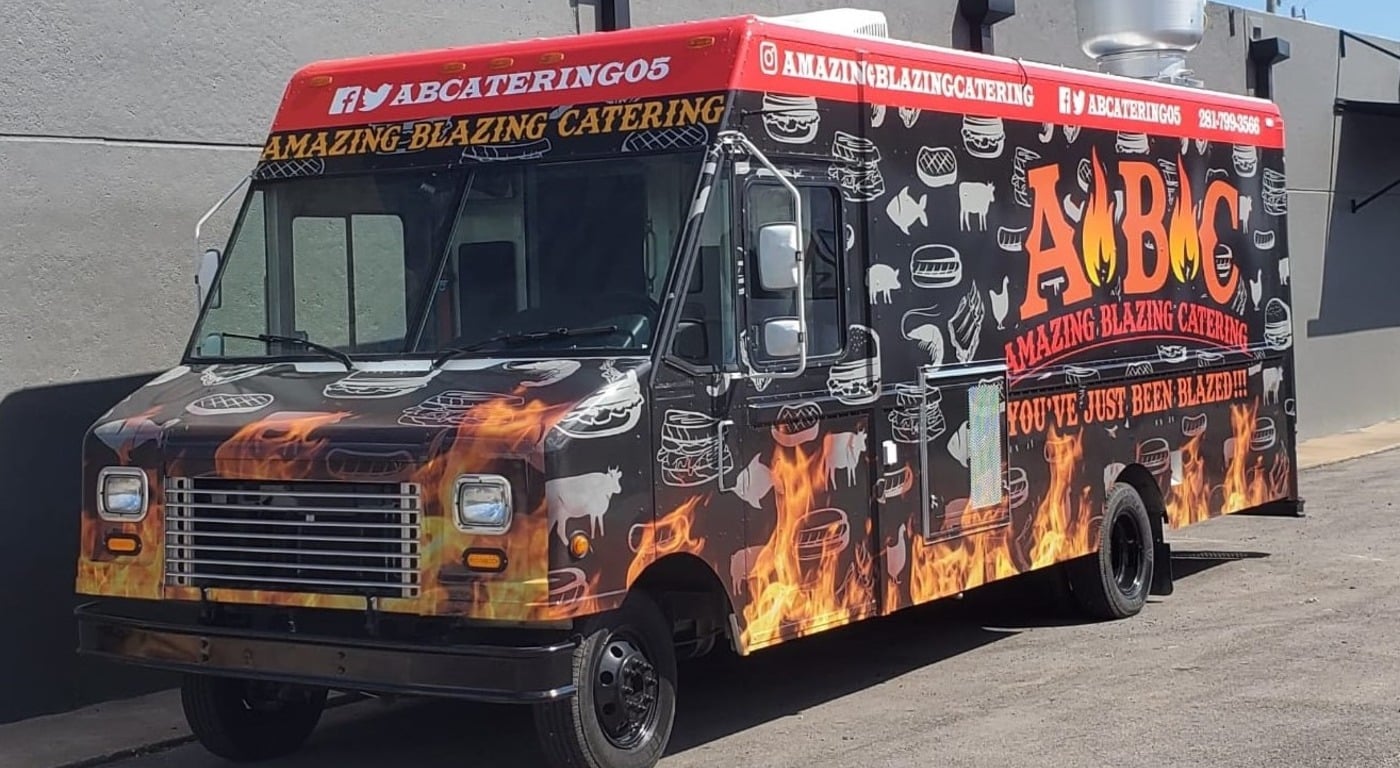
From Chuck Wagons to gourmet kitchens on wheels, the history of food trucks is a testament to the resilience and innovation of the culinary world. These rolling delights have evolved with the times, bringing diverse and delicious cuisines to street corners and festivals worldwide.
As we continue to savor the flavors of food trucks, we can appreciate the rich history and cultural impact these mobile kitchens have had on our culinary landscape.