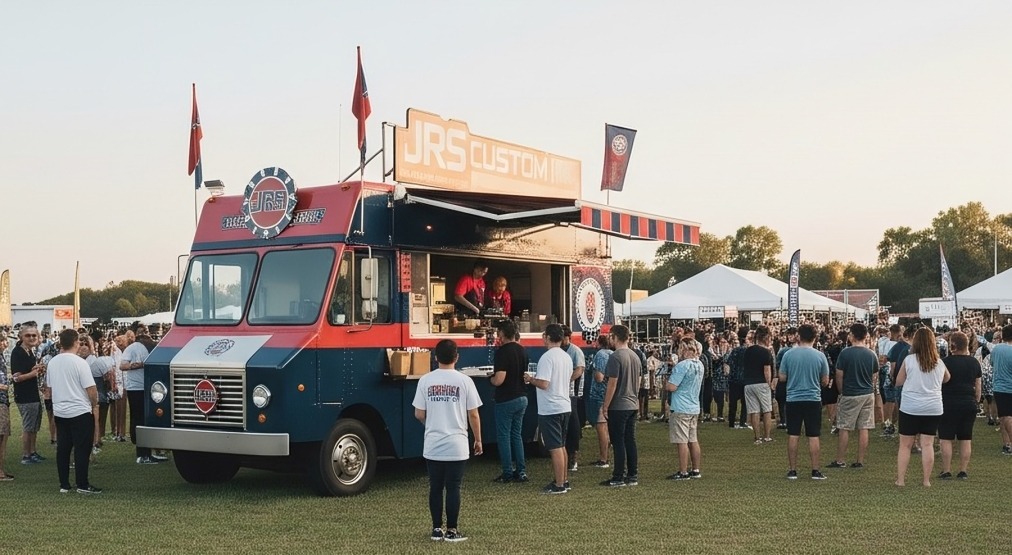
Food trucks have always adapted to how people eat. Early trucks followed factory shifts and construction crews.
Today, they follow phones.
Customers now expect to see menus in advance, place orders without waiting, and decide on pickup or delivery before they leave home.
This shift changes more than ordering. It affects kitchen flow, staffing, equipment placement, and how a truck performs during busy hours.
Understanding how these tools change real-world operations is the first step in deciding how to use them well.
Key Takeaways
- Mobile ordering and delivery apps change how a food truck operates, not just how customers place orders
- Kitchen flow, staffing, and equipment layout all need to support mobile and in-person orders at the same time
- Delivery orders behave differently than walk-up orders and can strain a truck that is not designed for them
- Menus, packaging, and prep space must account for travel time and order batching
- Mobile ordering works best when the truck, technology, and workflow are planned together
Why Mobile Ordering Matters for Food Trucks
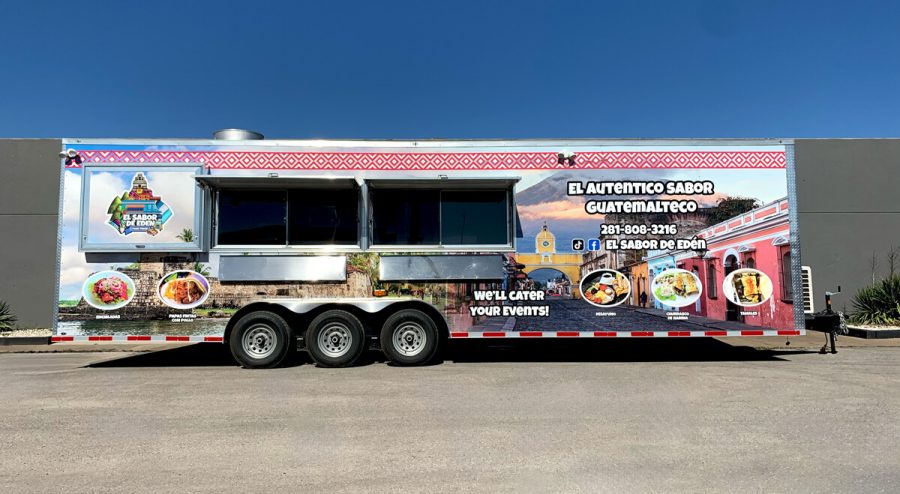
Mobile ordering and delivery apps are not add-ons. They shape how a modern food truck operates day to day.
Traditional food truck service depends on line management. When the line gets long, service slows, mistakes increase, and some customers leave. Mobile ordering changes that pressure point.
Operators using mobile ordering typically see:
- A steadier order flow instead of sharp rushes
- Fewer misheard or misentered orders
- More consistent pacing in the kitchen
- Customers arriving ready to pick up rather than decide
For first-time owners, this matters early. Mobile ordering reduces dependence on foot traffic alone and helps establish repeat customers who already know the menu and ordering process.
The operational benefit is not theoretical. It shows up during lunch rushes, festivals, and short service windows where every minute matters.
When Mobile Ordering Is Not the Right Fit
Mobile ordering is not automatically a win for every concept. Some trucks struggle when they add it without adjusting operations.
Common friction points include:
- Menus that rely on heavy customization at the window
- Extremely limited prep or holding space
- Short service windows where batching orders is impractical
In these cases, mobile ordering can overwhelm the kitchen instead of smoothing service. Orders stack up faster than they can be produced, leading to delays and poor customer experiences.
The takeaway is not to avoid mobile ordering, but to evaluate whether the concept, menu, and layout can support it without compromise.
Food Delivery Apps and Expanded Reach
Delivery apps were once viewed as impractical for food trucks. That assumption no longer holds. Many operators now use delivery to reach nearby neighborhoods without relocating the truck.
In practice, delivery allows food trucks to:
- Serve customers who would never walk up
- Increase average order value through planned meals
- Compete directly with nearby restaurants in app searches
Delivery orders behave differently than walk-up orders. Customers tend to order for groups or families, which affects prep volume and timing. Trucks that are not designed for this can bottleneck quickly.
JRS layouts account for this reality by separating prep, cooking, and handoff zones so delivery and in-person orders can move simultaneously without interference.
Staffing and Labor Impact
Mobile ordering changes how labor is used inside the truck. Fewer orders happen face to face, but coordination demands increase.
Operators often experience:
- Less time spent taking orders and handling payments
- More pressure on expo and order accuracy
- A need for clearer role separation during peak hours
During delivery-heavy shifts, one missing handoff or delayed bag can slow everything. Staffing plans that work for walk-up service do not always translate cleanly to app-driven volume.
Understanding this shift early helps operators avoid burnout and service breakdowns.
Menu Design for Mobile Ordering and Delivery
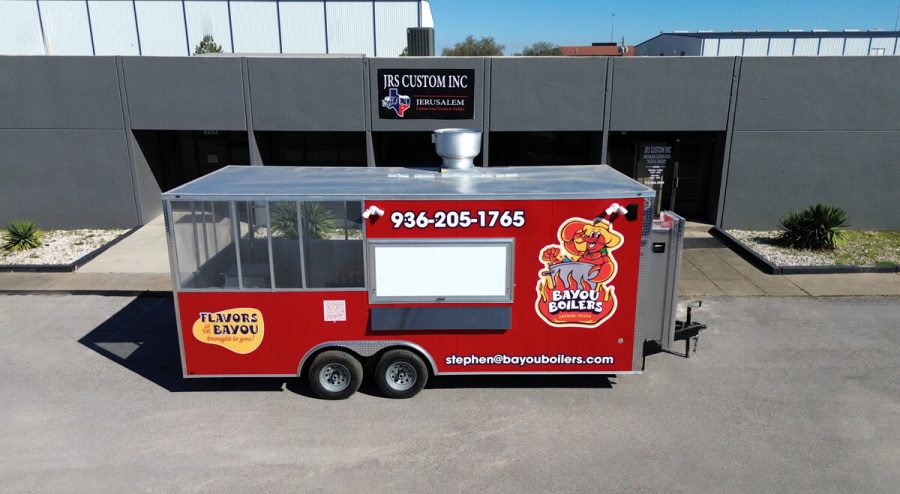
Not every menu item survives transport. Successful operators adjust menus based on how food actually arrives to the customer.
Menus that perform well for mobile ordering usually share a few traits:
- Items hold texture and temperature during travel
- Packaging prevents leaks and sogginess
- Modifiers are limited and clearly defined
- Combos simplify ordering and increase efficiency
Menu decisions influence truck design directly. Storage for packaging, refrigeration capacity, and prep counter space all need to support how the menu is sold, not just how it looks at the window.
This alignment between menu and build is where many trucks either gain efficiency or struggle.
Learn More: Seasonal Menu Design: What to Offer, When to Serve
Payment Integration and Order Speed
Mobile ordering removes one of the biggest friction points in food truck service. Payments happen before the customer arrives, which changes how staff spend their time.
With proper POS integration, operators can:
- Reduce cash handling and payment delays
- Minimize order entry errors
- Track platform-specific sales patterns
- Adjust inventory based on real demand
Customers searching for nearby food trucks expect fast pickup once they arrive. A connected ordering system makes that possible without rushing staff or sacrificing accuracy.
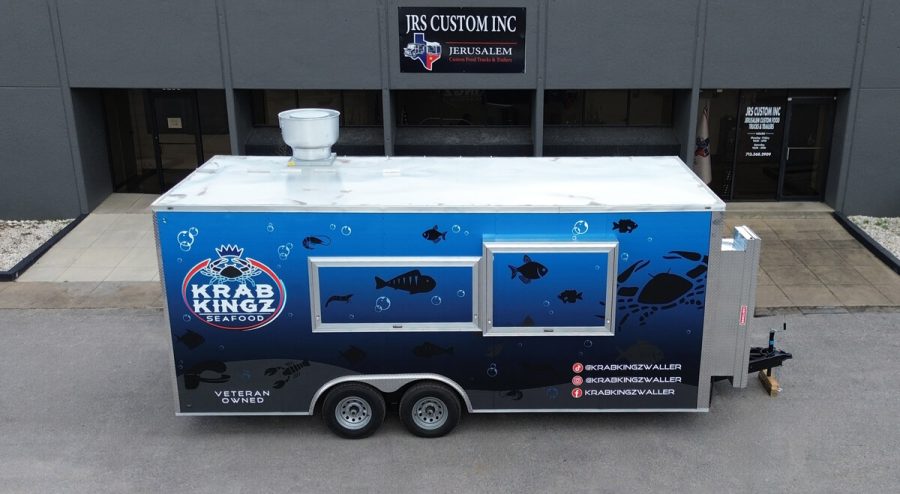
Marketing Visibility Through Ordering Apps
Ordering and delivery apps function as discovery tools. Customers often scroll through options without knowing which trucks exist nearby.
For food truck operators, this visibility matters. App listings place trucks next to established restaurants, giving newer businesses exposure they might not otherwise have.
In real terms, photos, menu clarity, and fulfillment speed directly affect reviews. Reviews influence rankings. Rankings affect order volume. A truck built to handle consistent throughput performs better across all of these variables.
Learn More: How to Use Social Media and Apps to Find Customers
The Future of Food Trucks and Digital Ordering
Food trucks have always evolved alongside customer behavior. Mobile ordering and delivery reflect how people now choose food, not a passing phase.
Operators who plan for these systems early avoid costly redesigns later. Trucks built around digital ordering workflows scale more smoothly and maintain consistency as demand grows.
Success today depends on visibility, convenience, and a truck that supports how food is actually sold.
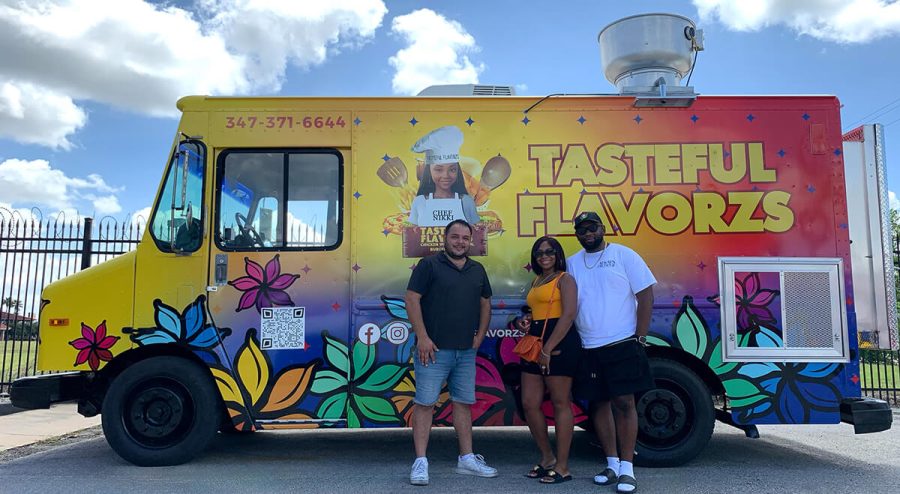
How JRS Supports Mobile Ordering–Ready Food Trucks
Mobile ordering and delivery only work when the truck itself can support the pace, volume, and coordination they introduce.
At JRS Custom Food Trucks & Trailers, builds are designed around real service conditions, including simultaneous walk-up orders, mobile pickups, and delivery handoffs.
Layouts account for prep flow, equipment spacing, power needs, and technology placement so ordering platforms enhance operations instead of overwhelming them.
The result is a truck that stays efficient during peak hours, adapts as ordering habits change, and continues to perform as demand grows.
 Proudly built in America