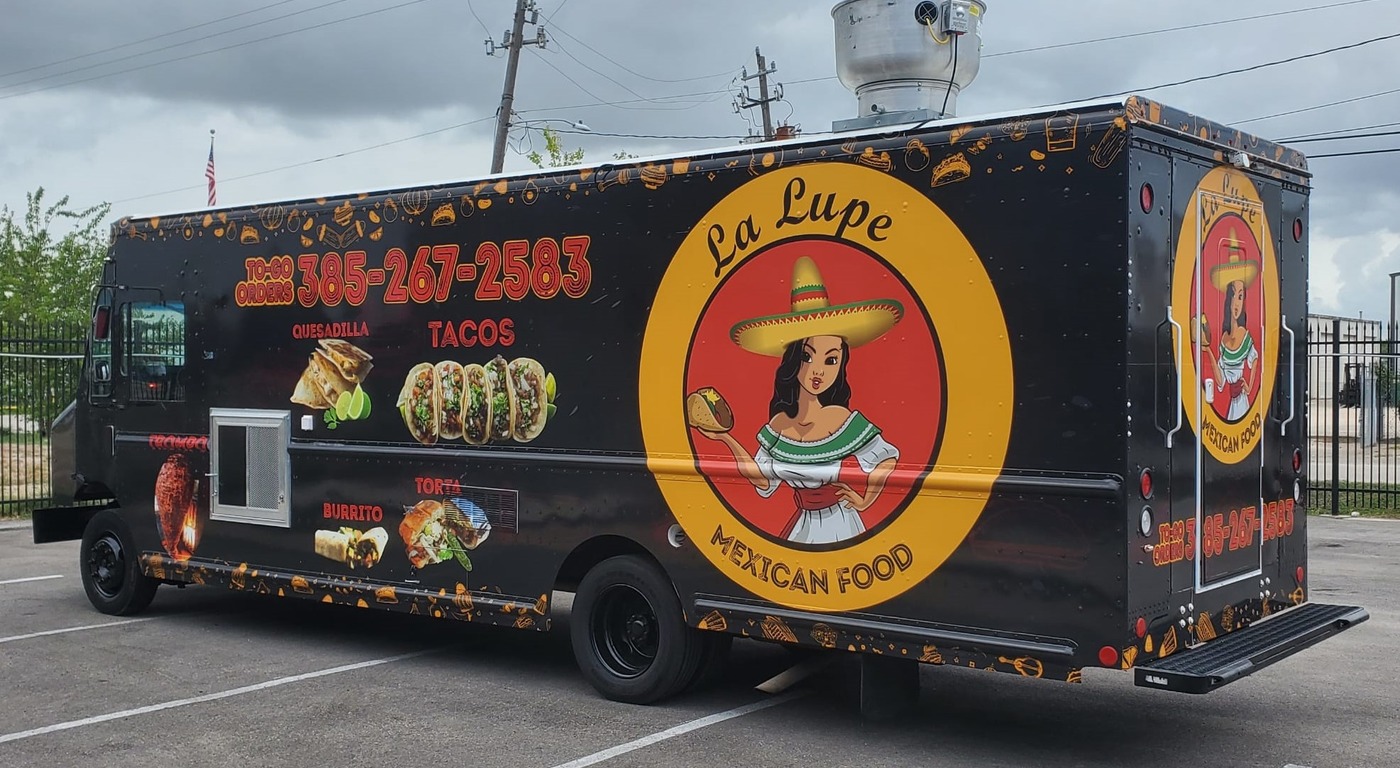
A food truck is a place of work long before it is a brand or a concept. It has to start reliably, pass inspections, hold temperature, and survive long service days in heat, grease, traffic, and weather.
When something breaks, the cost is rarely limited to the repair itself. Missed events, canceled services, and lost momentum often hurt more than the invoice.
Consistent food truck maintenance keeps those risks contained. It turns breakdowns into scheduled repairs and prevents small issues from becoming lost weekends or failed inspections.
This guide focuses on two areas operators deal with daily: the mechanical systems that keep the truck road ready and the kitchen systems that protect food safety, workflow, and compliance.
Key Takeaways
- A food truck functions as both a commercial vehicle and a regulated kitchen, which means maintenance failures affect revenue, compliance, and scheduling at the same time.
- Most food truck breakdowns are preventable and tied to routine checks being skipped during busy service periods, not to rare mechanical failures.
- Mechanical maintenance protects your ability to show up and operate, while kitchen maintenance protects food safety, inspection outcomes, and staff efficiency.
- Simple systems like checklists and scheduled inspections reduce stress, missed service days, and emergency repair costs.
- Preventive maintenance and professional inspections cost less over time than canceled events, lost trust, and last minute repairs.
Essential Food Truck Maintenance
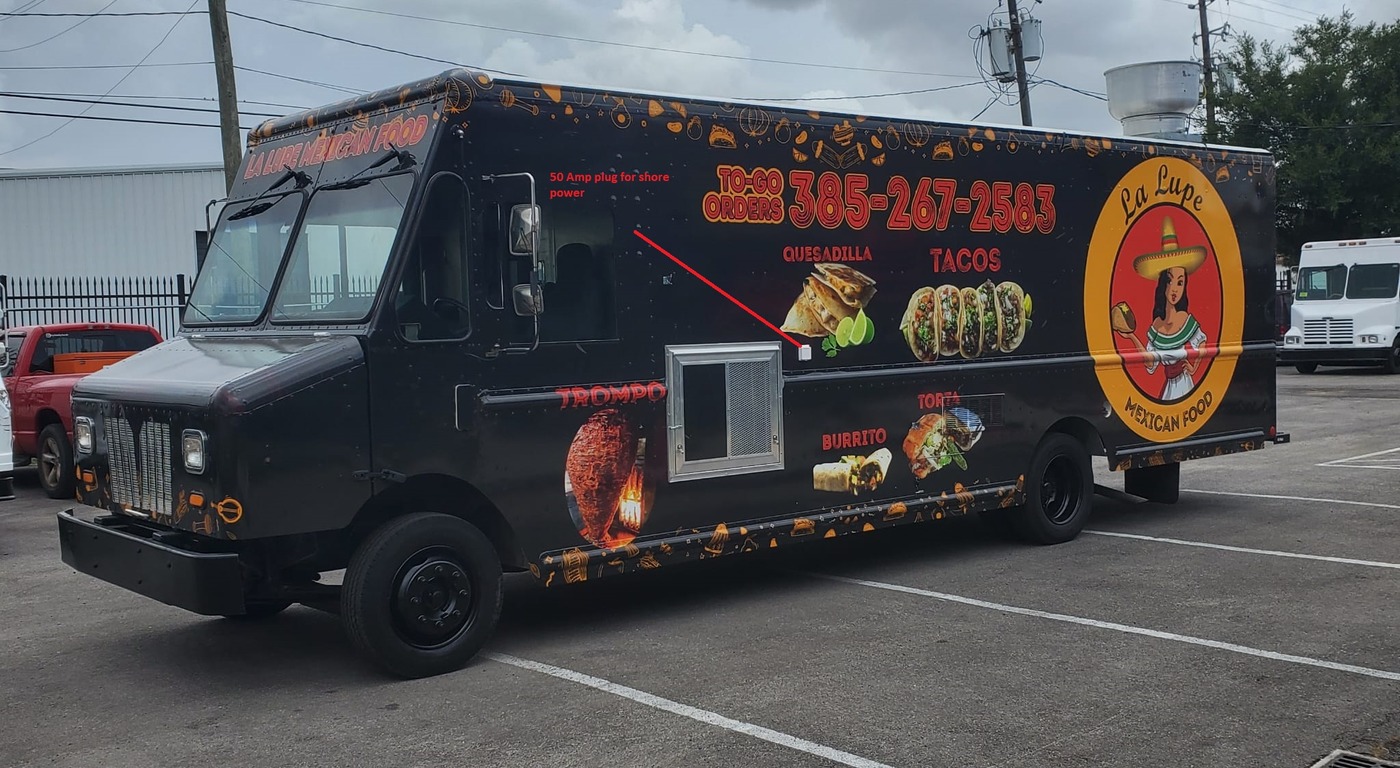
Food trucks place unusual strain on their vehicles. Heavy loads, frequent stops, extended idling, and onboard equipment accelerate wear in ways most personal vehicles never experience.
The checks below are not best practices in theory. They are the difference between staying booked and scrambling for repairs.
Oil Changes
Food trucks break down oil faster than standard vehicles, especially with long idle times and high operating temperatures.
Clean oil protects engine components that are under constant load. Follow the manufacturer’s schedule closely. For many trucks, that means every 3,000 to 3,500 miles or roughly every six months.
Fluid Levels
Low or contaminated fluids are one of the most common causes of preventable breakdowns.
Engine oil, coolant, brake fluid, power steering fluid, and windshield washer fluid should be checked regularly. Cooling issues are especially disruptive in warm climates, where overheating can shut down an entire service day.
Any visible leaks should be addressed immediately rather than monitored.
Tire Care
Food trucks carry significant weight, often distributed unevenly.
Tire pressure affects braking, handling, and fuel efficiency. Check pressure weekly and inspect for uneven wear. Rotate tires on schedule and replace them before tread becomes a safety concern, not after.
Battery Health
Battery failure rarely happens at a convenient time.
Repeated starts, long idling, and high electrical demand from kitchen equipment all shorten battery life. Inspect terminals for corrosion and test battery strength regularly, especially before busy seasons or colder months.
Learn More: Power & Equipment Tips for Texas Food Trucks
Filters
Air, oil, and fuel filters protect systems that do not tolerate contamination well.
A clogged air filter reduces efficiency. A dirty fuel filter can cause stalling under load. Replacing filters on schedule is a low cost task that prevents far more expensive repairs.
Brakes
Food trucks are heavier than passenger vehicles and stop more often.
Grinding, vibration, or delayed stopping response should be inspected immediately. Brake problems rarely resolve on their own and tend to escalate quickly under daily use.
Lights
Exterior lights are both a safety requirement and a legal one.
Headlights, brake lights, turn signals, and marker lights should be checked often. Faulty lighting is an easy way to fail inspections or attract citations.
Scheduled Manufacturer Maintenance
Beyond routine checks, follow the manufacturer’s recommended service intervals for belts, hoses, tune ups, and system inspections.
These components fail gradually, not suddenly. Replacing them early prevents roadside breakdowns and canceled events.

Keeping Your Kitchen Clean and Safe
The kitchen is where maintenance intersects with health codes, workflow, and trust. Cleanliness is not just about passing inspections. It affects how efficiently your team works and how consistently food is prepared.
Daily Cleaning
After each service day, all prep surfaces, utensils, appliances, and high touch areas should be cleaned with food safe sanitizers. Floors should be swept and mopped, trash removed, and expired food discarded.
Skipping end of day cleaning usually creates more work and higher risk later.
Learn More: How to Handle Food Waste & Composting in a Food Truck
Weekly Deep Cleaning
Grease and residue collect in areas that daily wipe downs do not reach.
Weekly cleaning should include behind appliances, under equipment, inside refrigeration units, and around ventilation areas. This reduces odors, pest risk, and inspection issues.
Proper Food Storage
Cross contamination is one of the most common reasons food trucks fail inspections.
Raw proteins should always be stored below cooked or ready to eat foods. Use sealed containers, label items clearly, and rotate stock by date rather than habit.
Appliance Maintenance
Kitchen equipment operates under heat and grease every service day.
Fryer filters require regular cleaning. Griddles need consistent care to prevent buildup. Coffee machines and water systems need periodic descaling.
Poor equipment maintenance affects food quality and slows service during peak hours.
Learn More: Top 10 Equipment Must-Haves for Texas Food Trucks
Pest Prevention
Pests are drawn to residue, moisture, and clutter. Consistent cleaning, sealed food storage, and prompt trash removal reduce risk significantly.
In high volume operations or warm regions, professional pest control can prevent issues before they become visible.
Staff Hygiene
Clean kitchens depend on repeatable habits. Hand washing, glove use when required, and clean uniforms matter in tight food truck spaces.
Clear expectations and simple routines protect customers and reduce mistakes under pressure.
Creating a Maintenance Checklist
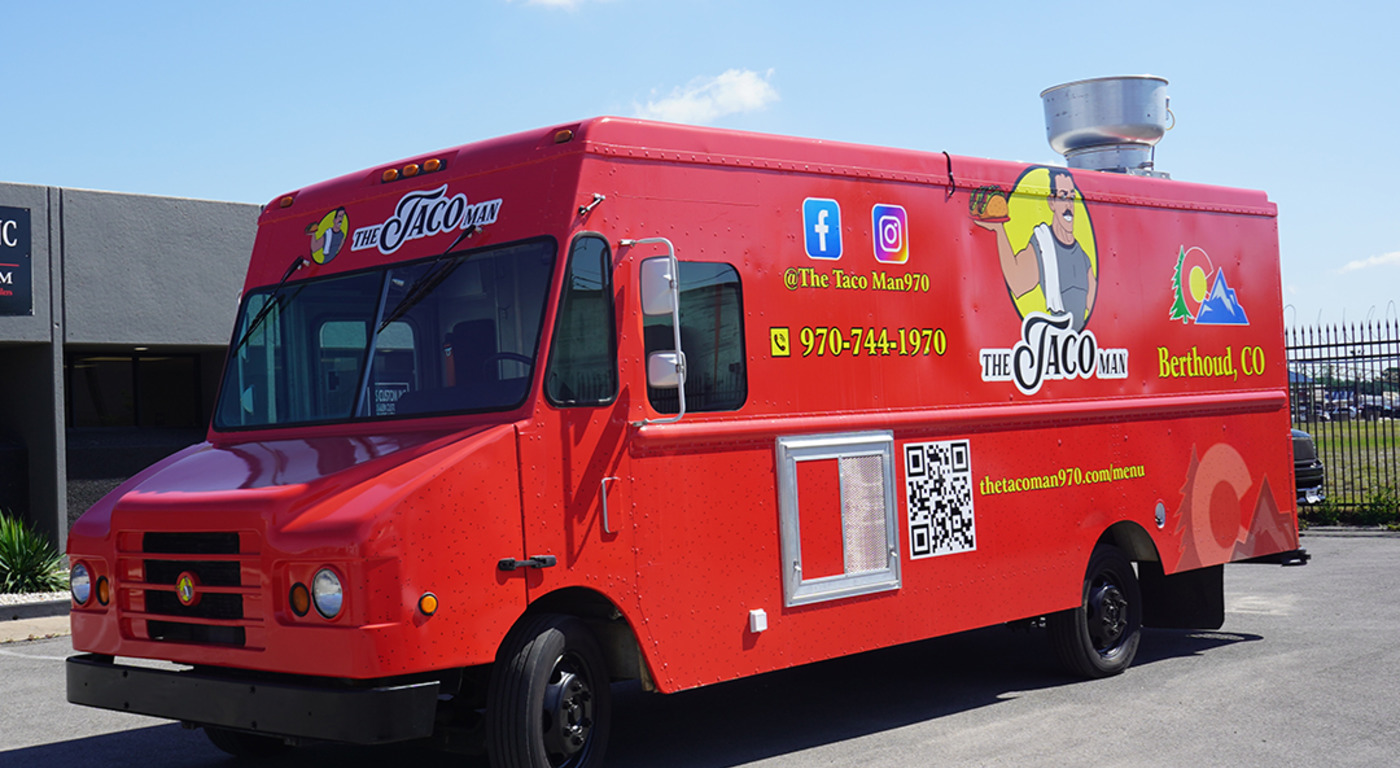
Developing a regular maintenance checklist will keep you organized and ensure you don't miss anything crucial. Here's how to create one:
Most maintenance failures are not caused by lack of knowledge. They happen when tasks are forgotten during busy weeks.
A checklist turns maintenance into a system rather than a reminder.
- Frequency: Group tasks by daily, weekly, monthly, and mileage based intervals.
- Specific Tasks: Write clear actions instead of general notes. For example, “Check coolant level” rather than “Check fluids.”
- Responsibility: Assign each task to a specific person or role so nothing is assumed.
- Tracking: Use a printed sheet, shared document, or digital tool that is updated consistently.
Over time, this record helps identify patterns and plan replacements before failures disrupt service.
Investing in Professional Help
Not every task belongs on an internal checklist. Mechanics should handle inspections, diagnostics, and repairs beyond basic checks. Professional kitchen cleaning services can address buildup that daily routines miss.
These services are not an extra expense. They are part of operating a business that depends on reliability. Preventive maintenance almost always costs less than emergency repairs and lost service days.

Conclusion
By prioritizing food truck maintenance, you're safeguarding your business on multiple fronts. You'll experience fewer breakdowns, ensure the safety of your staff and customers, and maintain a clean and inviting environment for your hungry patrons. Remember, a well-maintained food truck is a recipe for success!
Food truck maintenance is not about perfection. It is about reliability. A well maintained truck starts when it should, passes inspections, and supports consistent service. That reliability protects revenue and reduces stress in a business where margins and schedules are already tight.
Operators who treat maintenance as part of daily operations rather than a reaction to problems stay on the road longer and avoid preventable disruptions.
For more practical guidance on food truck ownership, builds, and operations, explore our blog.
When you are ready to build or customize a truck designed for real service conditions, JRS Custom Food Trucks & Trailers works with operators to create kitchens that hold up under daily use and long term growth.
 Proudly built in America