One of the first decisions a new mobile food operator faces is also one of the most consequential: food truck or food trailer?
The two formats look similar on paper – both are mobile kitchens, both can be customized, and both require a significant upfront investment. But the way they operate day-to-day is different enough that choosing the wrong one can create friction that follows you for years.
This guide walks through the real differences between the two formats – cost, mobility, kitchen space, setup, and long-term maintenance – so you can make a clear-eyed decision before you commit.
Key Takeaways
- Food trucks are self-contained motorized units; food trailers require a separate towing vehicle.
- Trailers typically cost less upfront and offer more kitchen square footage for the money.
- Trucks are faster to deploy, easier to park in tight urban spaces, and don’t require a tow vehicle.
- Trailers are better suited to fixed or semi-permanent locations like food parks, fairs, and festivals.
- If your truck breaks down, your kitchen is stuck with it – a trailer separates your kitchen from that risk.
- The right choice depends on your location strategy, budget, menu complexity, and how often you plan to move.
Food Truck or Food Trailer: What’s the Difference?
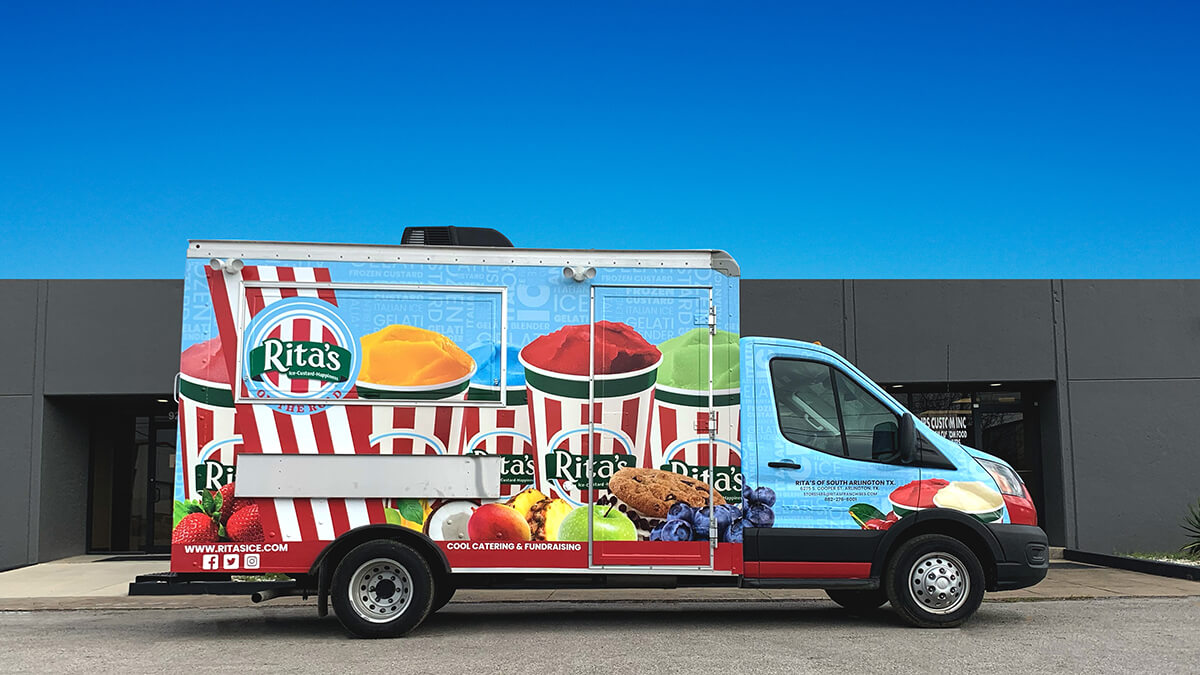
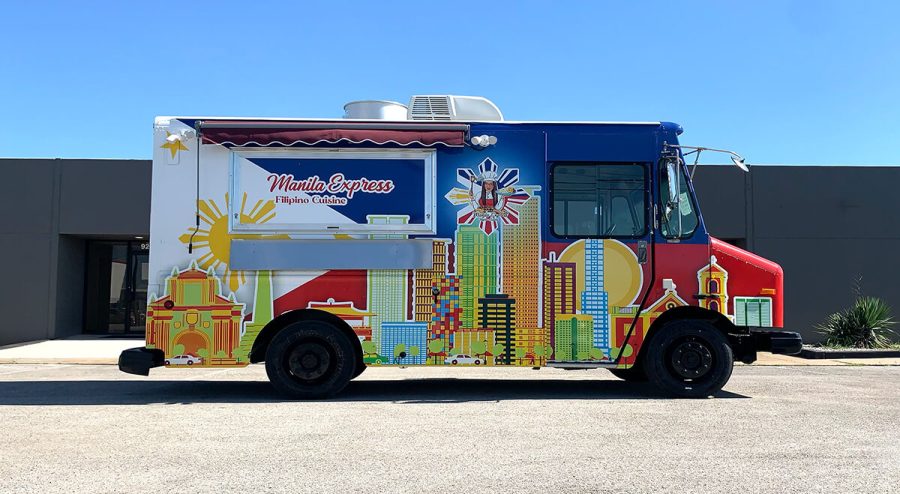
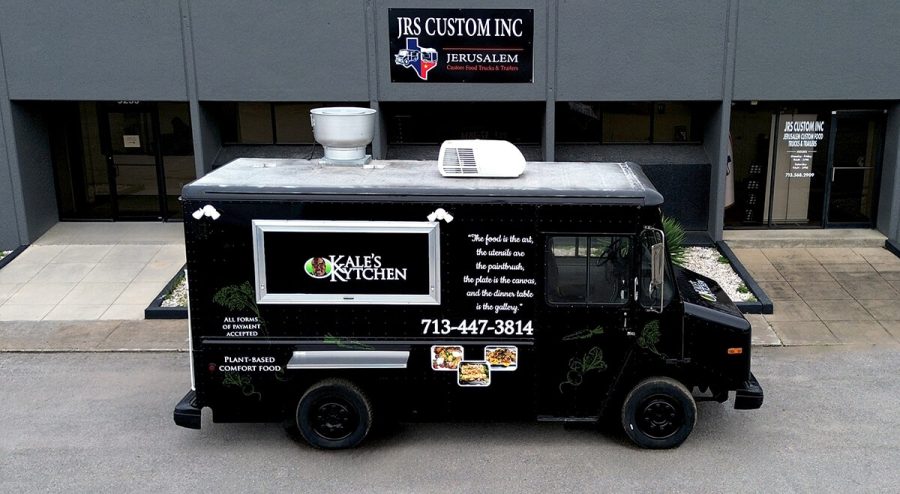
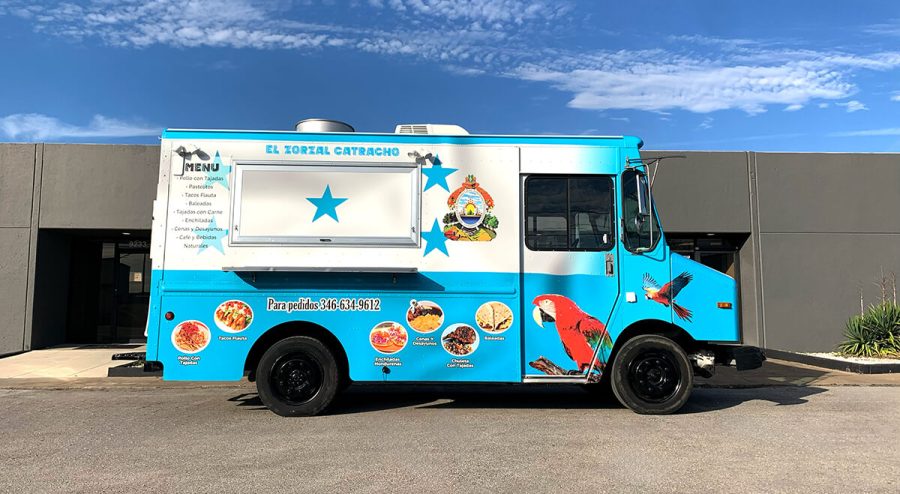
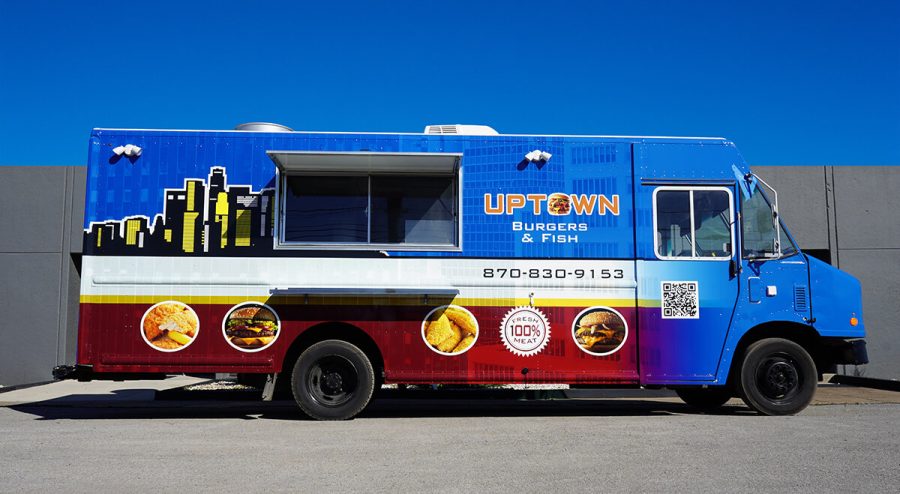
A food truck is a motorized vehicle with a commercial kitchen built into it. The cab, engine, and kitchen are one unit – you drive it to a location, park, open the service window, and you’re in business. There’s no additional vehicle involved.
A food trailer is a non-motorized kitchen on wheels. It has to be hitched to a truck or SUV capable of towing its weight, driven to the location, unhitched, leveled, and set up before service begins. When the day is over, you reverse that process.
That single structural difference – motorized vs. towed – is what drives most of the practical distinctions between the two.
The Case for a Custom Food Truck
Mobility and Daily Flexibility
If your business model involves moving locations frequently – office parks on weekdays, farmers markets on weekends, catering events in between – a food truck is the more practical choice.
You can drive it yourself without coordinating a separate tow vehicle, make last-minute location changes, and navigate urban parking situations that a trailer simply can’t fit into.
In dense city environments like downtown Houston, food trucks can access spots that a trailer-plus-truck combination would never get into.
For operators building route-based businesses or targeting high-foot-traffic lunch crowds, that flexibility has direct revenue implications.
Faster Setup and Breakdown
With a truck, setup means parking and opening the window. With a trailer, you’re hitching, unhitching, running stabilizers, and connecting utilities before you serve a single customer.
For operators doing multiple stops in a day, that time difference compounds quickly.
Brand Presence on the Street
The format is familiar to customers, and a well-wrapped truck moving through the city generates impressions that a stationary trailer can’t replicate.
A trailer parked at a fixed lot can build strong local recognition over time, but the truck earns visibility in transit as well as on location.
One Vehicle to Manage
Because the kitchen and the engine share the same chassis, there’s no coordination overhead. You own one vehicle, insure one vehicle, and move it independently.
The tradeoff is that if the engine has a problem, your kitchen is grounded too.
The Case for a Custom Food Trailer
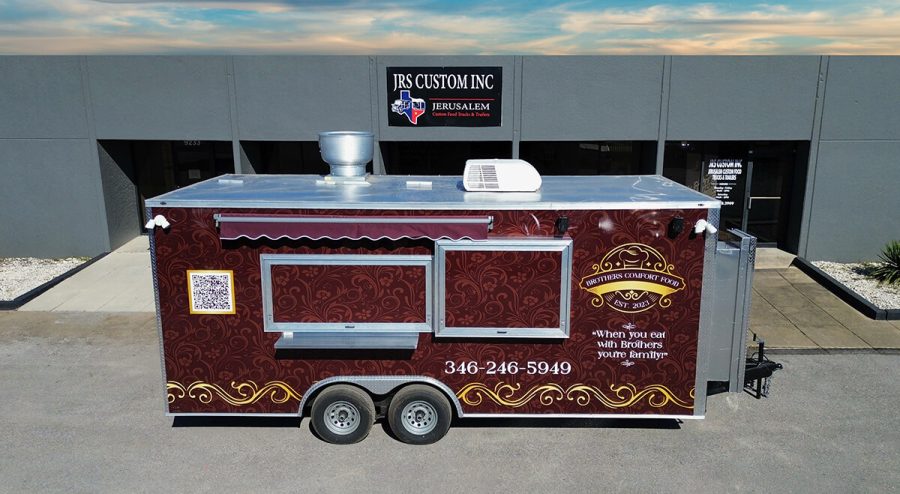
Lower Startup Cost
Trailers carry a lower initial price point than food trucks, and that gap is meaningful for operators working with limited startup capital.
That said, if you don’t already have a truck rated to tow the weight of a loaded food trailer, you’ll need to factor that into your budget. A capable tow vehicle can close the cost gap meaningfully, so the savings are real but not unconditional.
More Kitchen Space
Because a trailer doesn’t have a driver’s cab, the full length of the unit can be used as kitchen. That extra footage matters if your menu requires multiple fryers, a flat top, a dedicated prep area, and a separate refrigeration zone.
For concept-heavy menus – BBQ, full breakfast, specialty catering – that added workspace can make the difference between a functional kitchen and a cramped one.
Trailers also tend to handle higher service volume more comfortably at fixed-location events where the extra footage gets used consistently.
We go deeper on this in our post on best food truck menu ideas.
Lower Long-Term Maintenance
Without an engine, transmission, and drivetrain to maintain, trailer repair costs are primarily limited to the kitchen itself.
Generator servicing, plumbing, appliances, and the trailer frame are still ongoing expenses, but they’re simpler and generally less expensive than vehicle mechanical work.
The separation between kitchen and tow vehicle also works in your favor when something goes wrong. If your tow truck needs mechanical work, you can swap in another vehicle and keep operating.
Your kitchen isn’t grounded by an engine problem the way it would be in a food truck.
Better Suited to Fixed Locations
If your plan is to anchor at a food park, a brewery lot, a weekly market, or a recurring festival circuit, a trailer’s lack of daily mobility is less of a limitation.
Operators in these settings often value the extra prep space and lower ongoing costs more than the ability to move spontaneously.
Customization: What Both Formats Allow
Whether you go with a truck or a trailer, the build-out is where the unit becomes functional for your specific concept. Both formats can be designed around your menu, your workflow, and your branding.
Key decisions in the build process include:
- Kitchen layout – the flow from prep to cook to service window should minimize steps and prevent bottlenecks during a rush
- Equipment package – fryers, flat tops, griddles, steamers, refrigeration, and ventilation all need to be spec’d to your menu volume
- Materials – commercial stainless steel surfaces, non-slip flooring, and NSF-certified equipment are standard in builds meant to pass health inspections
- Exterior branding – full wraps, signage, lighting, and window configuration all affect how the unit reads on the street
If you’re in the planning phase and working through these decisions, our post on the top 5 questions to ask food truck manufacturers covers what to ask a builder before you commit to a design.
Choosing the Right Option for Your Business
The decision comes down to how you plan to operate, not which format sounds more appealing in the abstract.
A food truck is likely the better fit if you:
- Plan to move locations daily or multiple times per week
- Want to operate without coordinating a separate tow vehicle
- Are targeting dense urban areas where parking access is competitive
- Need fast setup and breakdown between stops
- Want catering clients to see a polished, self-contained unit pull up
A food trailer is likely the better fit if you:
- Have a limited startup budget and don’t already own a capable tow vehicle
- Need more kitchen square footage than a truck’s chassis allows
- Plan to operate at festivals, fairs, food parks, or other semi-permanent locations
- Already own a truck rated to tow commercial trailer weight
- Want lower mechanical overhead over the life of the business
Some operators run both – using a truck for daily route work and a trailer for weekend events. If that’s a direction you’re considering, our guide to how to start your first food truck covers the planning steps in more detail.
Conclusion
The most common mistake in this decision is treating it as a preference question when it’s really an operations question.
Your location strategy, your tow vehicle situation, your menu’s space requirements, and your startup budget each point toward one format or the other.
Map those factors out honestly before you finalize anything – and if you want to walk through the specifics of your concept, our team builds both custom food trucks and custom food trailers and can help you think through the build before you commit to a direction.
 Proudly built in America