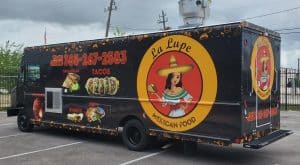


The humble food truck industry has undergone a remarkable evolution in recent years. No longer just serving up quick and simple fare, food trucks have burst onto the culinary scene with gourmet menus, innovative cuisines, and a loyal fan base hungry for more. One of the driving forces behind this shift is undoubtedly technology.
From online ordering to GPS tracking and social media savvy, technology is changing the way food trucks operate, connect with customers, and thrive in a competitive marketplace.
Let’s take a closer look at some of the key ways technology is shaping this dynamic food truck industry.

1. Online Ordering and Payment Systems
Gone are the days of waiting in long lines to place an order at a food truck. Modern technology allows customers to browse menus, customize their orders, and pay securely all from their smartphones. This seamless experience enhances convenience for the customer and increases efficiency for food truck operators, allowing them to serve more people, reduce errors, and streamline the entire ordering process.

2. GPS Tracking and Location Services
Food truck fans now have a simple way to track down their favorite culinary hotspots. GPS tracking and location-based apps allow customers to see real-time updates on where their favorite food trucks are located. This minimizes frustration and ensures hungry patrons can get their food fix quickly and easily.
3. Social Media Mastery
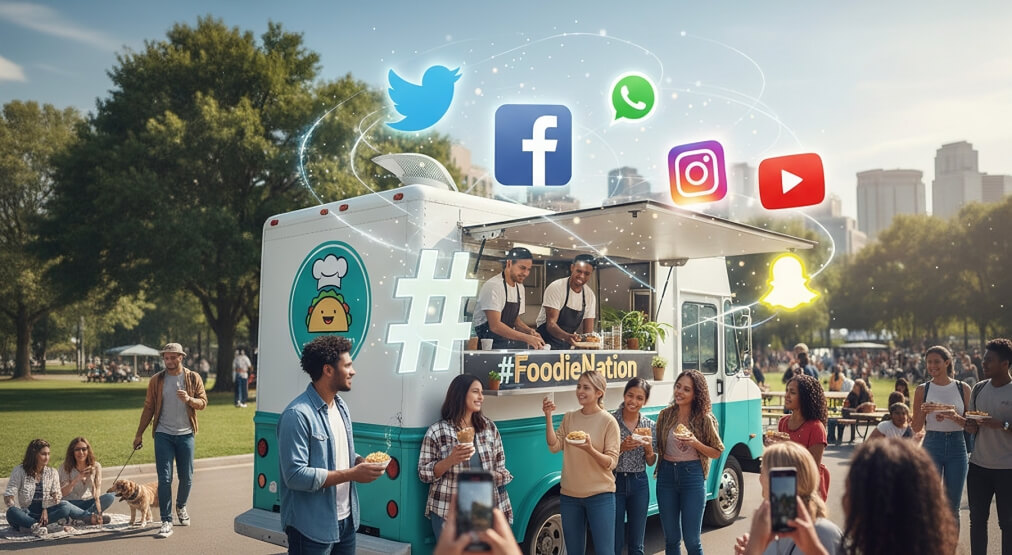
Social media is a powerful tool in the food truck industry. Platforms like Instagram, Facebook, and Twitter provide a way for food trucks to connect with their audience, promote daily specials, showcase their menus, and offer enticing visuals of their delicious creations. Engaging with customers online and cultivating a strong social media following is vital for attracting new business and building brand loyalty.

4. Point-of-Sale (POS) Systems
Modern POS systems have done away with clunky cash registers. Today’s food trucks often utilize sleek, tablet-based POS systems that integrate with inventory management, streamline sales reporting, and simplify accounting. For small business owners with limited space, this technology is a welcome alternative to traditional bulky POS setups.

5. Customer Relationship Management (CRM)
Food trucks keen on building a loyal customer base are increasingly turning to CRM technology. CRM tools allow businesses to create detailed customer profiles, track customer preferences, and even implement loyalty programs. By understanding their customers better, food trucks can tailor their offerings and marketing to build stronger customer relationships.

6. Inventory Management Software
Managing stock and ingredients can be a logistical challenge for food trucks, with limited storage space and varying demand. Inventory management software helps streamline tracking, forecasting, and ordering processes. These systems minimize wastage, ensure food trucks have the right ingredients on hand, and avoid costly stock-outs.
The Benefits of Technology in the Food Truck Industry
Tech adoption isn’t just about keeping up with trends; it offers concrete advantages to food truck businesses:
- Improved customer experience: Technologies that create smoother ordering and faster service can significantly enhance the overall customer experience, leading to repeat business and positive word-of-mouth.
- Increased efficiency: By streamlining operations from ordering to payment and inventory management, food trucks can improve their efficiency and serve more customers in less time.
- Data-driven insights: Analytics generated from tools like POS and CRM systems provide valuable data that can be used to make data-backed decisions about menu offerings, pricing, and marketing strategies.
- Enhanced marketing reach: Social media, digital marketing, and location-based marketing tools widen the reach of food trucks, helping them connect with a broader audience, including those outside their immediate location.
The Future of Food Trucks: Tech as a Driving Force
As technology evolves, so too will the food truck industry. We can expect to see further innovations such as:
- Artificial Intelligence (AI): AI-powered tools may personalize the ordering experience, predicting customer preferences and creating optimized delivery routes.
- Robotics and Automation: While still in their early stages, robotics and automation may start automating certain tasks in food truck kitchens, further increasing efficiency.
- Drones and Delivery: Drone delivery technology could open up new possibilities for food trucks, especially in the realm of catering and events.
Conclusion
For food truck owners, the message is clear: embrace the technology revolution.
The future of the food truck industry is brimming with exciting possibilities. As technology continues to evolve, we can expect even more groundbreaking advancements that will reshape the industry. From AI-powered recommendations to drone delivery services, the customer experience promises to become increasingly personalized and convenient.
However, technology is just one piece of the puzzle. The heart and soul of the food truck industry lies in the individuals who bring their culinary creativity and entrepreneurial spirit to the streets. Their dedication to quality, innovation, and community engagement is what truly sets food trucks apart.