


Promoting a food truck is not one big move. It is a handful of small channels that each bring in a few customers, run together until they compound. This guide covers the tactics that work for how to promote your food truck business, in the rough order most operators should tackle them.
None of it replaces the truck and the food. Marketing gets people to your window once, and what happens there decides whether they come back and whether they tell anyone.
The 12 tactics below fill the line; your food and your service keep it full.
Key Takeaways
- Promoting a food truck is not one big move but several small channels that compound when you run them together, so the aim is a sustainable mix rather than a single tactic.
- Marketing only gets people to your window once. Your food and your service decide whether they come back and whether they tell anyone.
- A Google Business Profile is the highest-return setup for most trucks, and it is free. It puts you on the map when nearby people search for lunch or for your cuisine.
- Pick one social platform and post your location consistently instead of spreading thin across several. Instagram fits most trucks because food is visual and the audience is local.
- Catering and standing weekly spots produce revenue you can forecast, which walk-up traffic never does. A booking page with pricing and a request form captures far more catering interest than a phone number in a bio.
- Consistent branding across your wrap, menu board, posts, and packaging is what ties every channel together and makes people connect the truck they saw to the post they see.
- Do not launch every channel at once. Start with a Google profile, one social platform, and one revenue channel, then track how new customers found you before adding more.
1. Claim Your Google Business Profile First
Start with a Google Business Profile. It is free, and for a lot of food trucks it is the single highest-return thing you can set up. When someone nearby searches for lunch or for your cuisine, this is what puts you on the map, literally.
Choose the category that matches what you sell rather than the generic Food Truck label, since the category decides which searches you show up in.
Add your hours, your service area, and photos of the food and the truck. Keep them current, because a listing that sends someone to the wrong spot does more harm than no listing at all.
Ask happy customers to leave a review here, and reply to the ones you get. Reviews are what convince a stranger scrolling the map to pick you over the truck two blocks away.
2. Back It Up With a Simple Website
A simple website backs the profile up. It does not need to be large, just a single page with your schedule, your menu, your prices, and a way to book catering.
You own this page, unlike a social account, and it is where Google and customers confirm you are a real, findable business.
3. Post Where You Will Be on Social Media
Social media is where most food trucks do their day-to-day promotion.
The job is simple to describe and hard to keep up: post where you will be, post what you are selling, and post it often enough that people can plan around you.
Instagram fits most trucks because food is visual and the audience is local, though Facebook still earns its place for event listings and older regulars. Pick one platform and do it well rather than spreading thin across four.

4. Let Word of Mouth Do the Heavy Lifting
Word of mouth is the channel underneath all of this, and it is the strongest one you have.
Customers who love your food tell friends and post it to their own accounts, which reaches people no ad of yours would.
Our guide to how word of mouth markets your food truck covers how to earn it and how to handle it when a review turns bad.
5. Work Festivals and Local Events
Events put you in front of a crowd that is already out and already hungry. Festivals, farmers markets, concerts, and street fairs gather the foot traffic for you, and many promote their vendors in advance, which is free reach you did not have to build.
Weigh each one before you commit. The vendor fee, the extra prep, and a long day on your feet are worth it when the event fills a slow weekend or introduces you to a new part of town.
Our guide to food truck festival success covers how to prepare so the volume is profitable, not just busy.
6. Lock In Standing Spots With Local Businesses
Standing arrangements with local businesses are the quieter version of the same idea.
Breweries without kitchens, office parks, and large apartment complexes all want food on site without hiring for it, and a recurring weekly spot is close to a permanent address.
Once regulars know you are outside their building every Thursday, you barely have to market to them at all. That predictability also smooths out the weeks when walk-up traffic is thin.
7. Book Catering for Steady Revenue
Catering is where the forecastable money is. The headcount is set in advance, the menu is limited, and you are not eating the cost of unsold prep, so it pays better per hour than street service.
Weddings, corporate lunches, conferences, and birthday parties all book trucks regularly. Make it easy to say yes: a page with pricing ranges, a minimum headcount, and a short request form converts far more interest than a phone number in a bio.
8. Build a Menu Around a Signature Dish
A signature dish gives people a reason to seek you out and a name to pass along.
Being clearly better at one identifiable thing does more for you than a long menu you cook uncertainly, and it speeds your line and steadies your prep at the same time.
If you are still shaping your menu, our roundup of food truck menu ideas is a place to start.
9. Park Where the People Are
Where you park sets a ceiling on how many people you can serve. Busy downtown blocks, office districts, and spots near colleges or hospitals bring steady foot traffic, and the right corner can matter more than any single post you publish.
Parking rules vary by city, so research the local laws before you settle a spot into your weekly routine.
Our guide to the best places for food trucks to find customers covers how to weigh a location, and our guide to Houston food truck parks shows what an organized recurring venue looks like.
10. Collect Emails and Texts at the Window
An email or text list is the only audience you fully own. Social platforms decide how many followers see any given post, but a text goes straight to the people who asked to hear from you.
Give people a concrete reason to sign up, like a heads-up when you are parked nearby, and collect them at the window with a QR code while the customer is standing there.
Keep the messages tied to location and real offers, since a list you overuse is one people leave.
11. Reward Regulars With a Loyalty Program
Loyalty programs turn a good first visit into a habit. A simple punch card or app reward works best at trucks with a standing weekly spot, where a customer passes often enough to reach the reward before losing interest.
12. Pitch Local Media
Local media still moves people. Neighborhood papers, city blogs, and local TV like covering new businesses, and a single feature can reach an audience it would take months of posting to build.
Give a reporter a story, not a menu. A launch, a new location, a charity event, or a hook like the only Oaxacan truck in town gives them a reason to run the piece.
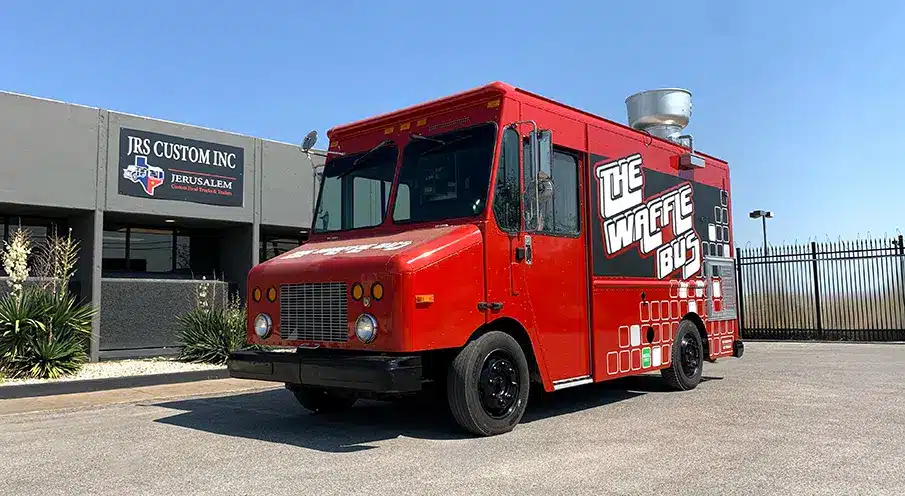
Email the specific person who covers food or local business, keep it to a few sentences, and attach two or three sharp photos of the truck and the food. A truck that looks the part gives them something worth pointing a camera at.
Tie It Together With Consistent Branding
Consistent branding ties every one of these channels together. The same name, colors, and logo across your wrap, your menu board, your posts, and your packaging are what make a customer connect the truck they saw last week to the post they see today.
Our post on food truck branding covers building an identity that holds up everywhere it appears.
Conclusion: Start Small and Track What Works
Do not try to run all of this at once. Start with the Google profile and one social platform, add a revenue channel like catering or a standing spot, and get those working before you layer on the rest.
Then watch which channels bring people in. Ask new customers how they found you, keep a tally by shift, and note which posts land before your busy days. That record is specific to your truck and your city, which makes it worth more than any general advice.
A truck built for how you serve makes all of this easier, from a wrap that reads across a parking lot to a layout that keeps the line moving. If you are planning a build, request a quote and our team will work through the design with you.
Frequently Asked Questions
What is the cheapest way to promote a food truck?
Most trucks do well spending very little, because the highest-return channels are cheap or free: a Google profile, one active social account, and word of mouth. Put early money into the truck’s exterior and signage, which keep working for years, before paid ads.
How do I get more customers for my food truck?
Set up a Google Business Profile, keep your hours and location current, and gather reviews from happy customers. Post your daily location on one social platform, and get listed on the food truck locator apps people already use.
What is the most important thing to set up first?
Both a Google Business Profile and one strong social account. The profile captures people actively searching for food nearby, while social keeps you in front of the regulars who want to know where you are parked today.
How much should a food truck spend on marketing?
Where the money goes matters more than the total. Weight early spending toward the truck’s exterior and signage, since those are one-time costs that keep working for years, and lean on the free channels before paid ads.